Chimney Assessment in Dallas, TX
Chimney assessment services involve a thorough inspection of a chimney’s structure, components, and overall condition to identify potential issues or hazards. These evaluations are useful for homeowners planning to use their fireplace, experiencing draft problems, or preparing for a home sale. The assessment typically covers the chimney’s exterior and interior, including the flue, mortar, brickwork, and venting systems, to ensure everything is functioning properly and safely.
Homeowners often seek chimney assessments before installing new appliances, after experiencing signs of damage such as cracks or smoke leaks, or following severe weather events. It’s important to understand the scope of the inspection, what areas will be examined, and any potential concerns that could impact safety or performance. Contacting a professional for an assessment can provide clarity about the condition of the chimney and help determine if repairs or maintenance are needed before use or further projects.
Many property owners in Dallas, TX look into Chimney Assessment for repairs, replacements, upgrades, and appearance-related improvements.
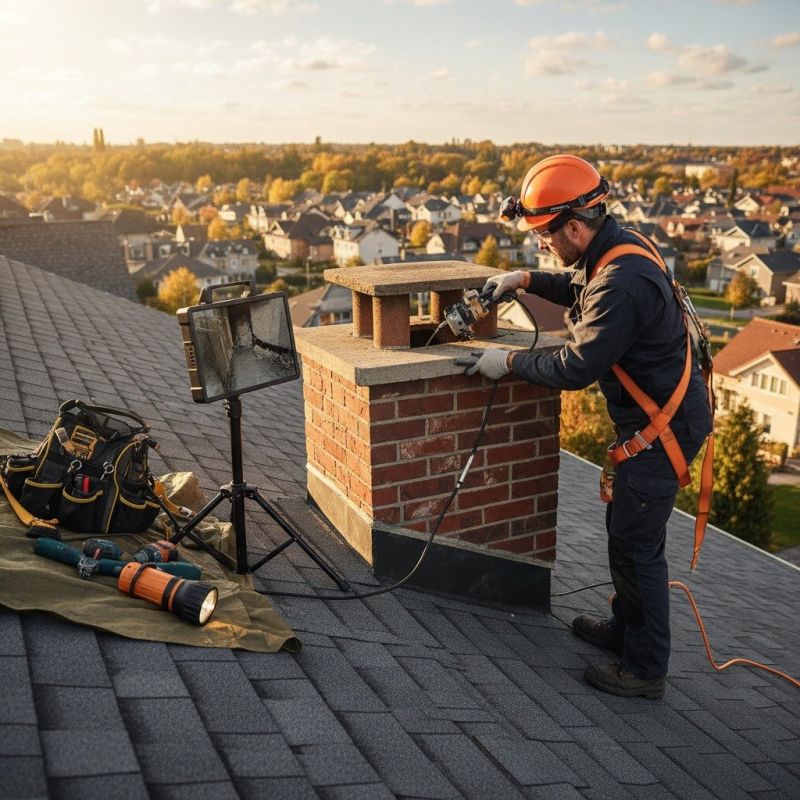
Chimney Inspection Basics
A thorough assessment helps identify potential issues before they become costly repairs.

Signs You Need An Assessment
Cracks, rust, or smoke odors are common indicators that a chimney check is necessary.
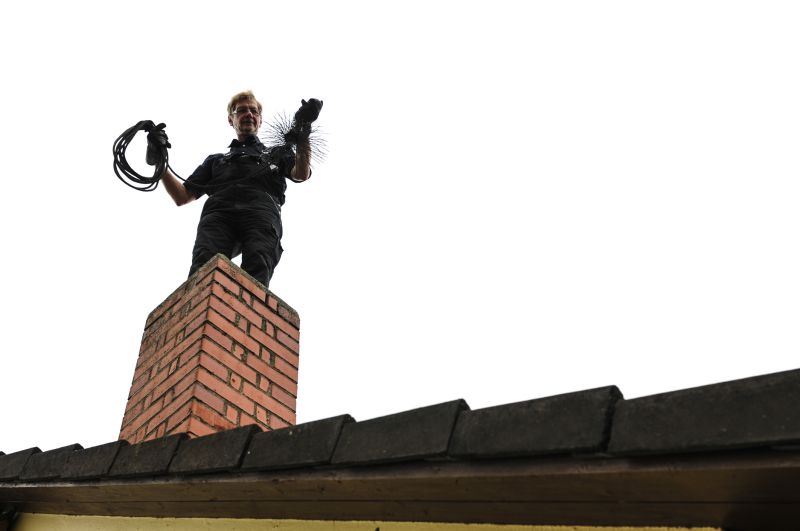
Benefits Of Regular Checks
Routine assessments ensure safe operation and extend the lifespan of your chimney system in dallas, tx.
Chimney Assessment in Dallas, TX
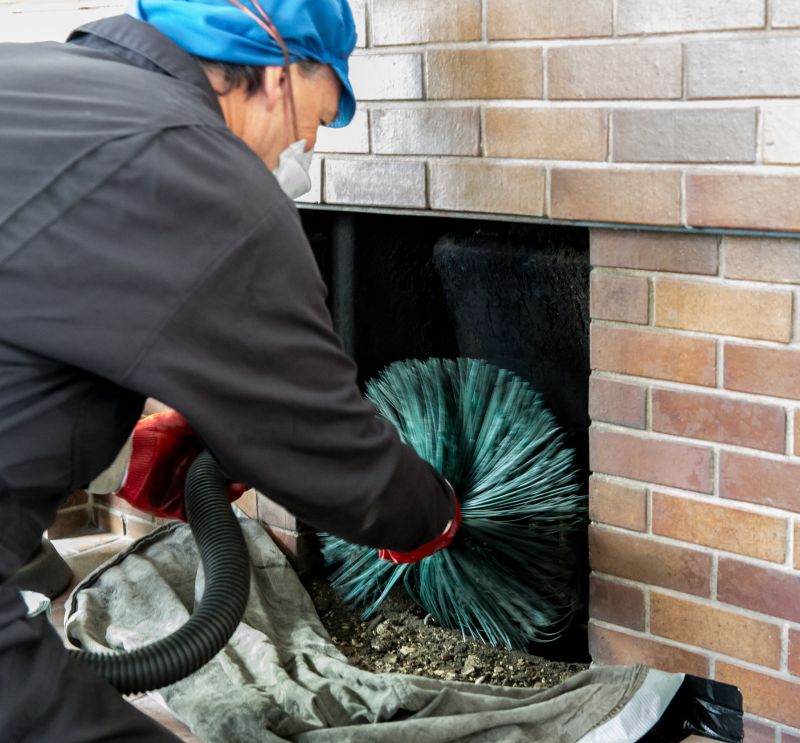
Chimney assessment services involve a thorough inspection of a chimney’s structure, components, and overall condition to identify potential issues or hazards. These evaluations are useful for homeowners planning to use their fireplace, experiencing draft problems, or preparing for a home sale. The assessment typically covers the chimney’s exterior and interior, including the flue, mortar, brickwork, and venting systems, to ensure everything is functioning properly and safely.
Homeowners often seek chimney assessments before installing new appliances, after experiencing signs of damage such as cracks or smoke leaks, or following severe weather events. It’s important to understand the scope of the inspection, what areas will be examined, and any potential concerns that could impact safety or performance. Contacting a professional for an assessment can provide clarity about the condition of the chimney and help determine if repairs or maintenance are needed before use or further projects.
Many property owners in Dallas, TX look into Chimney Assessment for repairs, replacements, upgrades, and appearance-related improvements.
Common Chimney Assessment Jobs
Chimney Inspection - a thorough visual assessment of the chimney’s condition and structure.
Chimney Flue Evaluation - checking the flue for blockages, cracks, or damage that could impact safety.
Chimney Draft Testing - measuring airflow to ensure proper venting and identify potential issues.
Chimney Cap & Crown Inspection - examining the cap and crown for deterioration or damage that may cause leaks.
Chimney Liner Assessment - inspecting the liner for cracks, corrosion, or other signs of wear.
Pre-Purchase Chimney Inspection - assessing the chimney's condition before buying a property to identify repair needs.
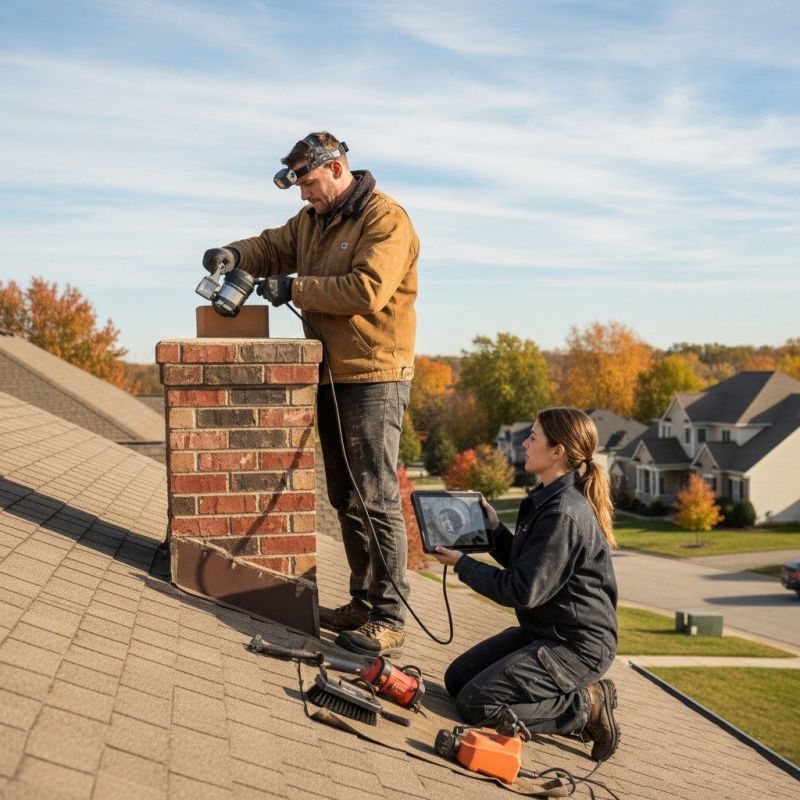
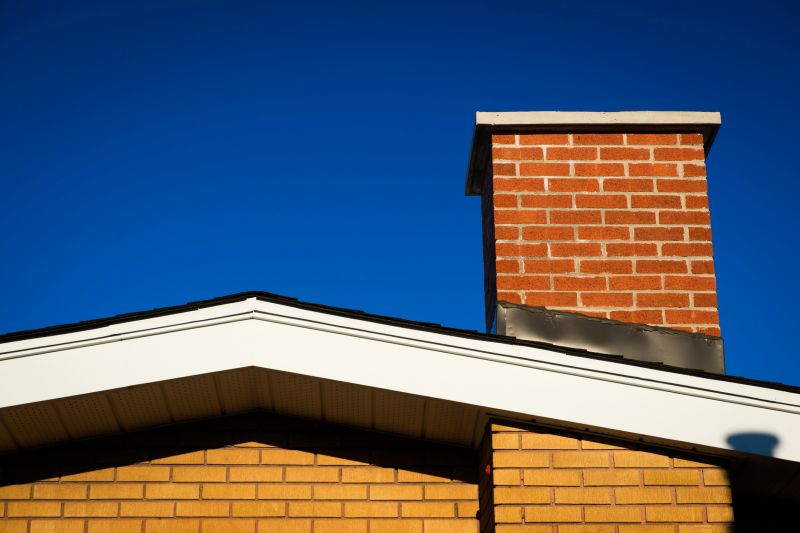
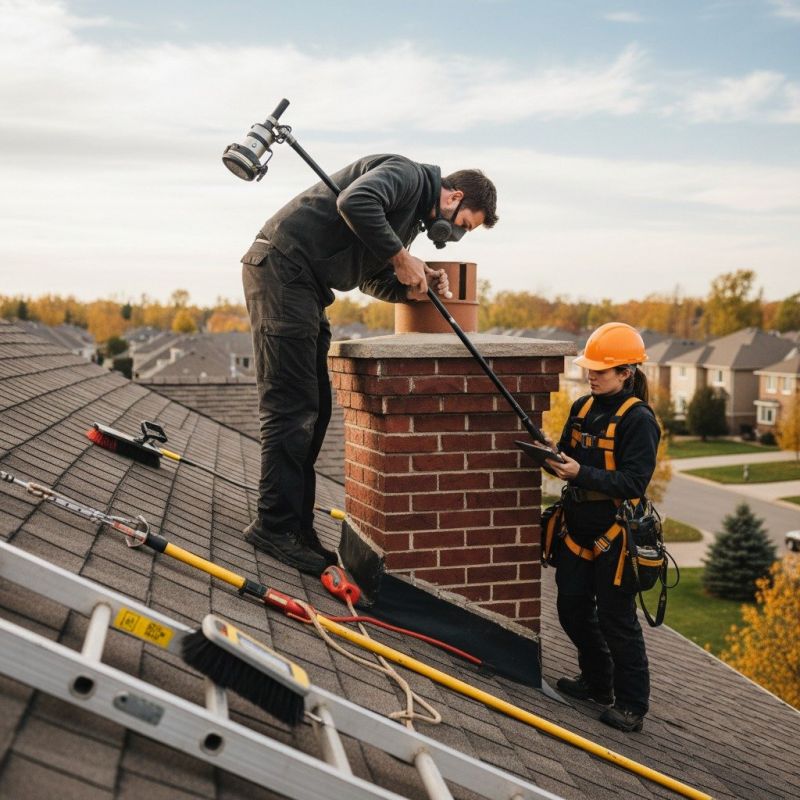
Chimney Assessment Questions
What is a chimney assessment? It is a thorough inspection of a chimney’s condition to identify potential issues and ensure safety and proper functioning.
Why should homeowners consider a chimney assessment? Regular assessments help detect damage, blockages, or deterioration that could affect safety or efficiency.
What types of problems can a chimney assessment reveal? Common findings include creosote buildup, cracked mortar, damaged flue liners, and obstructions.
When is the right time for a chimney assessment? It’s advisable to schedule an assessment before the heating season or after any noticeable chimney issues occur.
Request Chimney Assessment in Dallas, TX
Use the quote form on this page to share the basics of your project and request more information for the type of work you need.